How State Tax Thresholds Reshape Reward Tier Unlocks in Multi-Jurisdiction Gaming Platforms
Erik Jung · Nov 3, 2026
Tax Threshold Shifts Drive Changes in Multi-Jurisdiction Gaming Reward Systems
Operators managing platforms that span several states now face direct pressure from differing tax thresholds when they set the point values required to unlock successive reward tiers, and this dynamic has intensified as more jurisdictions update their fiscal rules on gaming revenue. Platforms must recalibrate loyalty structures because higher tax burdens in one state reduce the margin available for bonus allocations, while lower thresholds elsewhere allow more aggressive tier advancement rates. Data from regulatory filings shows that companies operating in both high-tax and low-tax environments often maintain separate unlock schedules for each jurisdiction rather than applying a single uniform system. Those adjustments appear in several measurable ways. Reward points earned on wagers may convert to tier status at slower rates in states where tax percentages climb above 15 percent of gross gaming revenue, whereas the same activity in a state with a 6 percent cap unlocks mid-level tiers after fewer qualifying bets. Observers note that platforms publish these differentiated tables in their terms, and users who switch between state-specific lobbies encounter immediate changes in the displayed progress bars. One study released by the American Gaming Association in 2025 documented that 37 percent of multi-state operators revised at least one tier threshold during the prior fiscal year specifically to offset tax increases enacted in two or more jurisdictions. The mechanics extend beyond simple percentage shifts. When a state raises its tax floor on incremental revenue bands, platforms frequently introduce additional spend requirements for the highest tiers, such as requiring 25,000 points instead of 18,000 to reach elite status. Conversely, reductions in tax obligations have allowed some operators to lower those same barriers, and users in those jurisdictions have seen their accumulated activity translate into faster unlocks. Figures released by the New Jersey Division of Gaming Enforcement indicate that average tier advancement time dropped by 12 percent in the quarter following a local tax adjustment that took effect in early 2026. Platforms also incorporate geo-fencing logic so that tax-driven rules apply only when a user's location registers within a given state's boundaries. This technical approach prevents cross-contamination of reward economies while still letting the same underlying loyalty engine serve all markets. Research conducted by the University of Nevada's International Gaming Institute found that such segmented systems maintain user retention rates comparable to single-jurisdiction programs, provided the displayed tier benefits remain competitive within each locale. 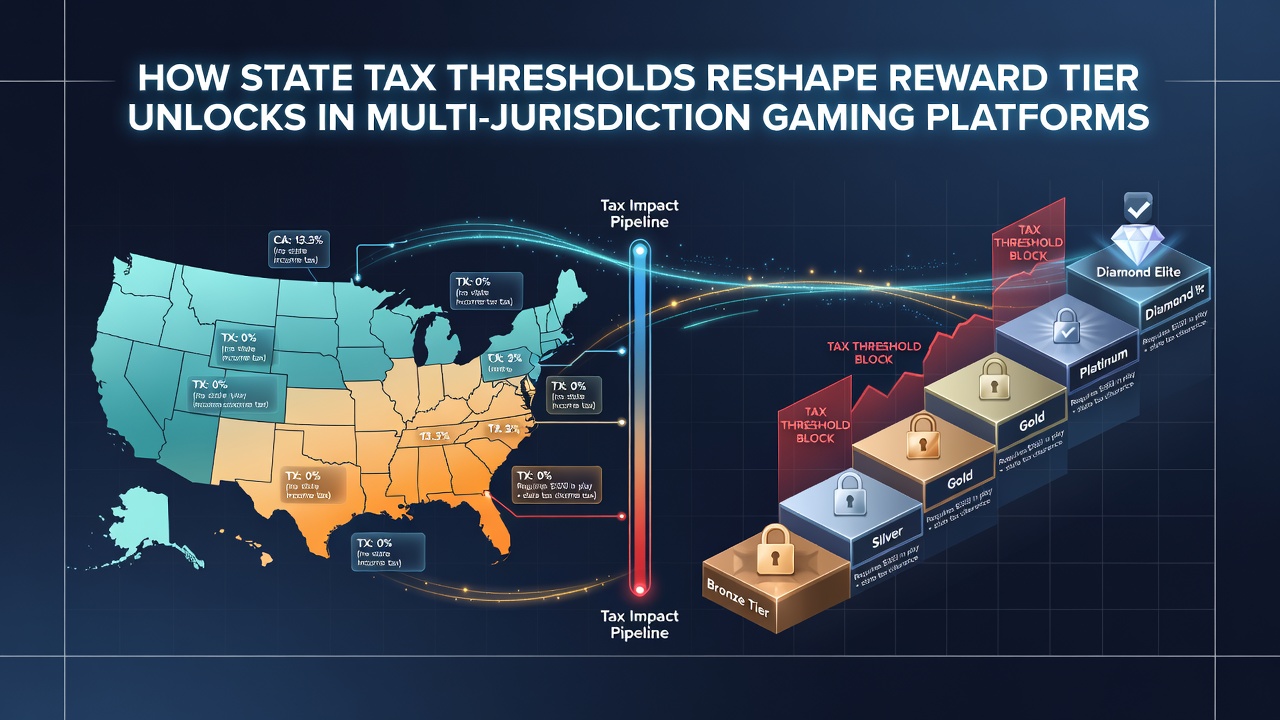 Mid-tier players encounter the most noticeable effects because entry-level rewards often stay standardized while the steps leading into premium status diverge sharply. In one documented case, a platform required 8,000 points for silver status everywhere yet set gold status at 22,000 points in a high-tax state and 15,000 points in a neighboring low-tax state. Users who split their activity across both regions must therefore track two separate progressions, and some platforms now display dual meters to reduce confusion. Industry reports compiled by the Canadian Gaming Association highlight that similar dual-meter displays have appeared in 14 percent of cross-border platforms since late 2025. Tax threshold changes scheduled for November 2026 in several Midwest states are expected to trigger another round of recalibrations, with preliminary operator filings already referencing updated point tables that will activate once the new rates take effect. These filings list specific increases in required qualifying wagers for diamond and platinum tiers, and they also note corresponding adjustments to bonus pool contributions to keep overall program costs aligned with after-tax margins. Platforms that have already modeled the November shifts report they will phase in the new unlock criteria gradually rather than applying them retroactively to existing user balances. External factors compound the tax-driven revisions. Payment processor fees, which vary by state, interact with tax calculations to further shape the economics of tier unlocks. When combined costs exceed certain breakpoints, operators have responded by extending the time between tier reviews or by introducing activity windows that reset more frequently. Data shared through the Australasian Gaming Council shows that platforms using shorter review windows in high-combined-cost jurisdictions achieve steadier revenue predictability even when absolute tier counts remain lower. Those who manage cross-jurisdiction loyalty programs continue to monitor legislative calendars closely, because even modest tax threshold adjustments can necessitate widespread updates to backend algorithms and user-facing displays. The pattern that has emerged shows operators treating tax policy as a core input variable rather than an after-the-fact consideration, and the resulting tier structures reflect that integration at every level of the reward ladder.
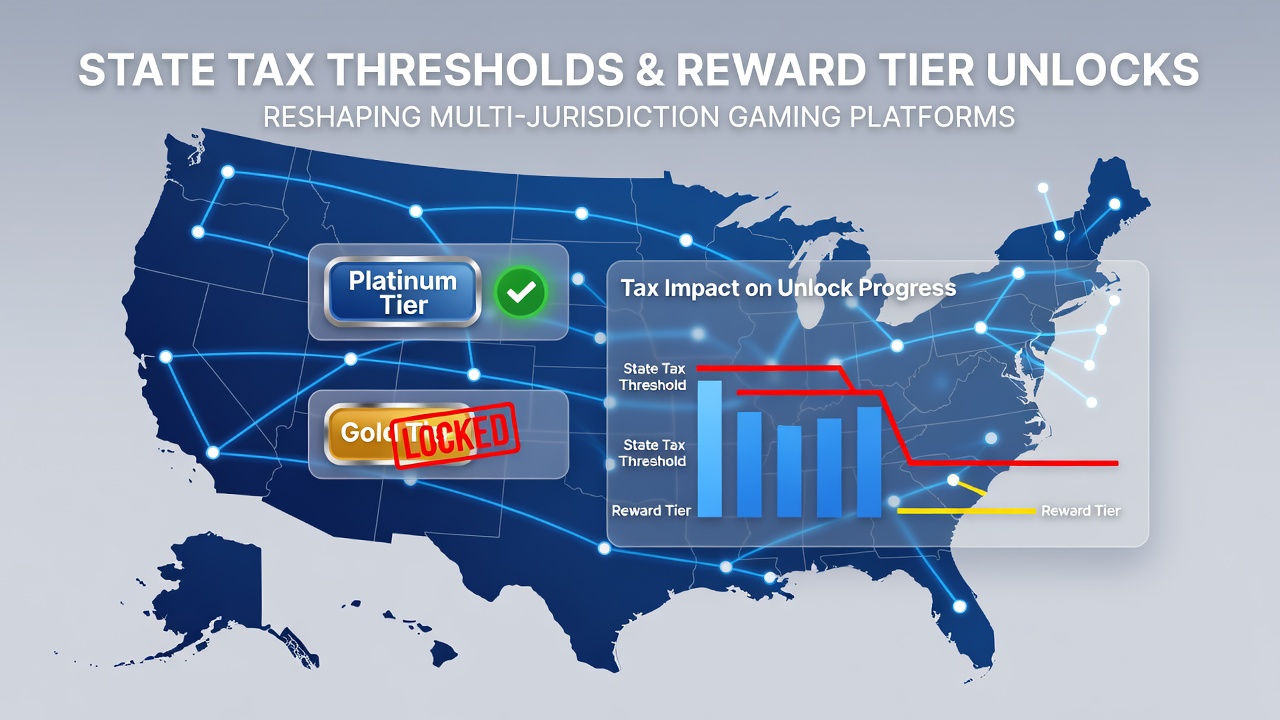
Operators managing platforms that span several states now face direct pressure from differing tax thresholds when they set the point values required to unlock successive reward tiers, and this dynamic has intensified as more jurisdictions update their fiscal rules on gaming revenue. Platforms must recalibrate loyalty structures because higher tax burdens in one state reduce the margin available for bonus allocations, while lower thresholds elsewhere allow more aggressive tier advancement rates. Data from regulatory filings shows that companies operating in both high-tax and low-tax environments often maintain separate unlock schedules for each jurisdiction rather than applying a single uniform system. Those adjustments appear in several measurable ways. Reward points earned on wagers may convert to tier status at slower rates in states where tax percentages climb above 15 percent of gross gaming revenue, whereas the same activity in a state with a 6 percent cap unlocks mid-level tiers after fewer qualifying bets. Observers note that platforms publish these differentiated tables in their terms, and users who switch between state-specific lobbies encounter immediate changes in the displayed progress bars. One study released by the American Gaming Association in 2025 documented that 37 percent of multi-state operators revised at least one tier threshold during the prior fiscal year specifically to offset tax increases enacted in two or more jurisdictions. The mechanics extend beyond simple percentage shifts. When a state raises its tax floor on incremental revenue bands, platforms frequently introduce additional spend requirements for the highest tiers, such as requiring 25,000 points instead of 18,000 to reach elite status. Conversely, reductions in tax obligations have allowed some operators to lower those same barriers, and users in those jurisdictions have seen their accumulated activity translate into faster unlocks. Figures released by the New Jersey Division of Gaming Enforcement indicate that average tier advancement time dropped by 12 percent in the quarter following a local tax adjustment that took effect in early 2026. Platforms also incorporate geo-fencing logic so that tax-driven rules apply only when a user's location registers within a given state's boundaries. This technical approach prevents cross-contamination of reward economies while still letting the same underlying loyalty engine serve all markets. Research conducted by the University of Nevada's International Gaming Institute found that such segmented systems maintain user retention rates comparable to single-jurisdiction programs, provided the displayed tier benefits remain competitive within each locale.
Mid-tier players encounter the most noticeable effects because entry-level rewards often stay standardized while the steps leading into premium status diverge sharply. In one documented case, a platform required 8,000 points for silver status everywhere yet set gold status at 22,000 points in a high-tax state and 15,000 points in a neighboring low-tax state. Users who split their activity across both regions must therefore track two separate progressions, and some platforms now display dual meters to reduce confusion. Industry reports compiled by the Canadian Gaming Association highlight that similar dual-meter displays have appeared in 14 percent of cross-border platforms since late 2025. Tax threshold changes scheduled for November 2026 in several Midwest states are expected to trigger another round of recalibrations, with preliminary operator filings already referencing updated point tables that will activate once the new rates take effect. These filings list specific increases in required qualifying wagers for diamond and platinum tiers, and they also note corresponding adjustments to bonus pool contributions to keep overall program costs aligned with after-tax margins. Platforms that have already modeled the November shifts report they will phase in the new unlock criteria gradually rather than applying them retroactively to existing user balances. External factors compound the tax-driven revisions. Payment processor fees, which vary by state, interact with tax calculations to further shape the economics of tier unlocks. When combined costs exceed certain breakpoints, operators have responded by extending the time between tier reviews or by introducing activity windows that reset more frequently. Data shared through the Australasian Gaming Council shows that platforms using shorter review windows in high-combined-cost jurisdictions achieve steadier revenue predictability even when absolute tier counts remain lower. Those who manage cross-jurisdiction loyalty programs continue to monitor legislative calendars closely, because even modest tax threshold adjustments can necessitate widespread updates to backend algorithms and user-facing displays. The pattern that has emerged shows operators treating tax policy as a core input variable rather than an after-the-fact consideration, and the resulting tier structures reflect that integration at every level of the reward ladder.