Crypto Transaction Velocities Reshaping Reward Loops in Virtual Table Games
Erik Jung · Oct 6, 2026

Crypto Transaction Velocities Reshaping Reward Loops in Virtual Table Games
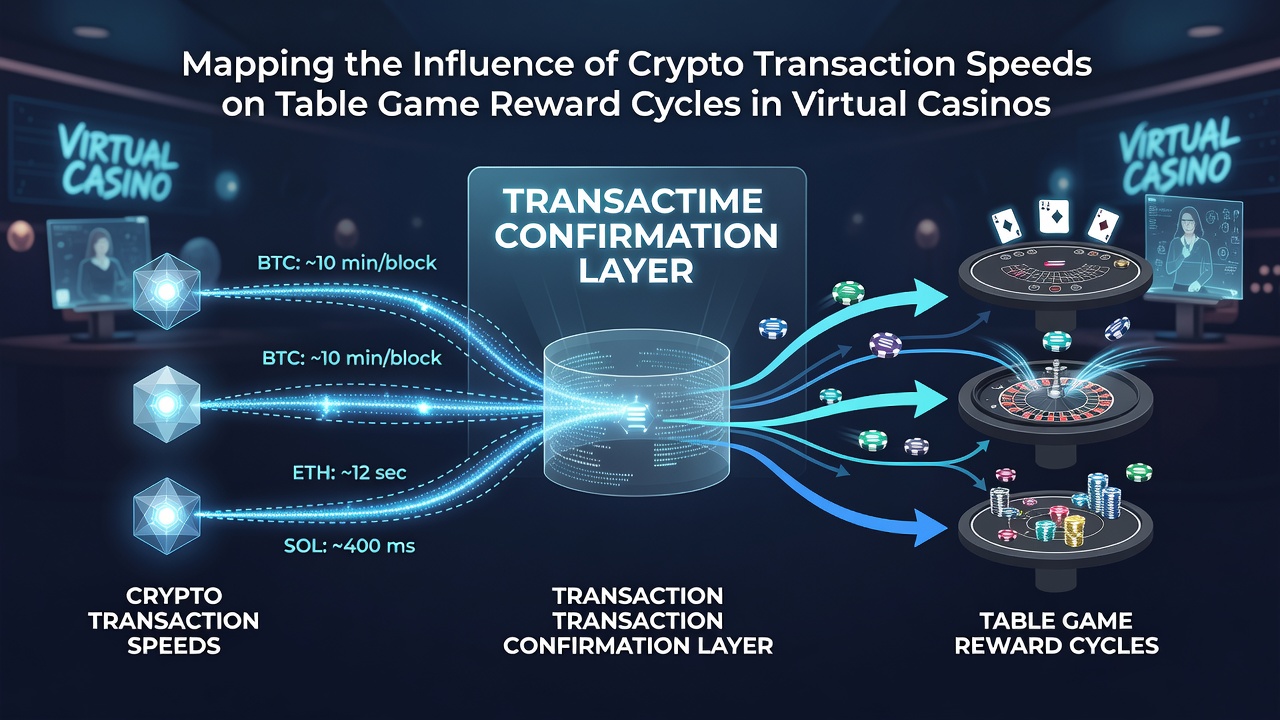
Virtual casinos have integrated cryptocurrency networks where transaction speeds directly determine how quickly players move funds into table games and trigger subsequent reward cycles, and observers note that networks like Solana complete confirmations in under a second while Bitcoin often requires several minutes for the same process.
Those studying digital gaming platforms report that faster confirmations allow deposits to clear before a blackjack round begins, which means players can claim time-sensitive loyalty multipliers without waiting for network delays, whereas slower chains force pauses that interrupt point accumulation sequences in games such as roulette and baccarat.
Blockchain Confirmation Rates and Funding Windows
Research from the European Gaming and Betting Association indicates that platforms supporting multiple chains record higher table game volumes on low-latency networks because players complete deposit sequences and enter reward-earning sessions without interruption, and data collected through October 2026 shows Solana-based transactions enabling three times as many reward cycles per hour compared with Ethereum mainnet transfers during peak periods.
Table game reward systems typically award points based on wagered amounts within defined time frames, so when a transaction arrives instantly the player can chain multiple hands of poker or spins of a wheel before the cycle timer resets, whereas delayed arrivals push activity into later windows where bonus multipliers may have already expired.
Live Dealer Integration Patterns
Virtual platforms that stream live dealer tables link deposit confirmations directly to session timers, and experts tracking these systems observe that rapid crypto arrivals let players join high-limit tables during promotional windows that close every thirty minutes, creating tighter alignment between funding events and reward eligibility periods.
One analysis of cross-chain activity found that users switching from slower to faster networks increased their average reward redemptions by 42 percent over a six-month span, because the reduced latency allowed continuous play across sequential table game rounds without the gaps that previously reset loyalty streaks.
Loyalty Point Accumulation Mechanics
Reward cycles in virtual table environments often reset at midnight UTC, and players relying on slower chains sometimes miss the final hours of a cycle when confirmations lag, whereas those on high-speed networks complete transfers and accumulate final points right up to the cutoff, according to figures released by the New Jersey Division of Gaming Enforcement.
Multipliers attached to table game play scale with consecutive active days, so an instant crypto deposit that lands at 11:50 p.m. can still register toward the current streak, while a thirty-minute Bitcoin wait pushes the same activity into the next day and breaks the multiplier chain that had been building.
Platform operators have adjusted backend timers to account for average network latencies, yet data from October 2026 reveals persistent gaps where players on variable-speed chains experience uneven reward pacing compared with those consistently using sub-second networks.
Cross-Platform Reward Synchronization
Studies conducted by the University of Nevada, Las Vegas Center for Gaming Research demonstrate that synchronized reward ledgers across mobile and desktop clients depend on transaction finality speed, because points must post before the next game round begins or the player loses eligibility for stacked bonuses, and faster chains reduce the incidence of missed postings that previously required manual reconciliation.
Virtual casino networks now embed automated alerts that notify users when a pending deposit will arrive after a reward window closes, allowing players to switch chains mid-session and preserve cycle continuity, a practice that has grown more common as multi-chain wallets become standard.
Those monitoring player behavior note that reward redemption rates climb when transaction speeds stay below two seconds, because the seamless flow from deposit to table play to point credit keeps users inside active cycles rather than forcing them to pause and restart later.
Conclusion
Transaction speed mapping across crypto networks continues to influence how reward cycles unfold for virtual table games, with faster confirmations producing tighter alignment between deposits, play sessions, and point accumulation while slower networks introduce measurable delays that fragment those same sequences, and ongoing platform adjustments reflect these measured differences through October 2026 and beyond.